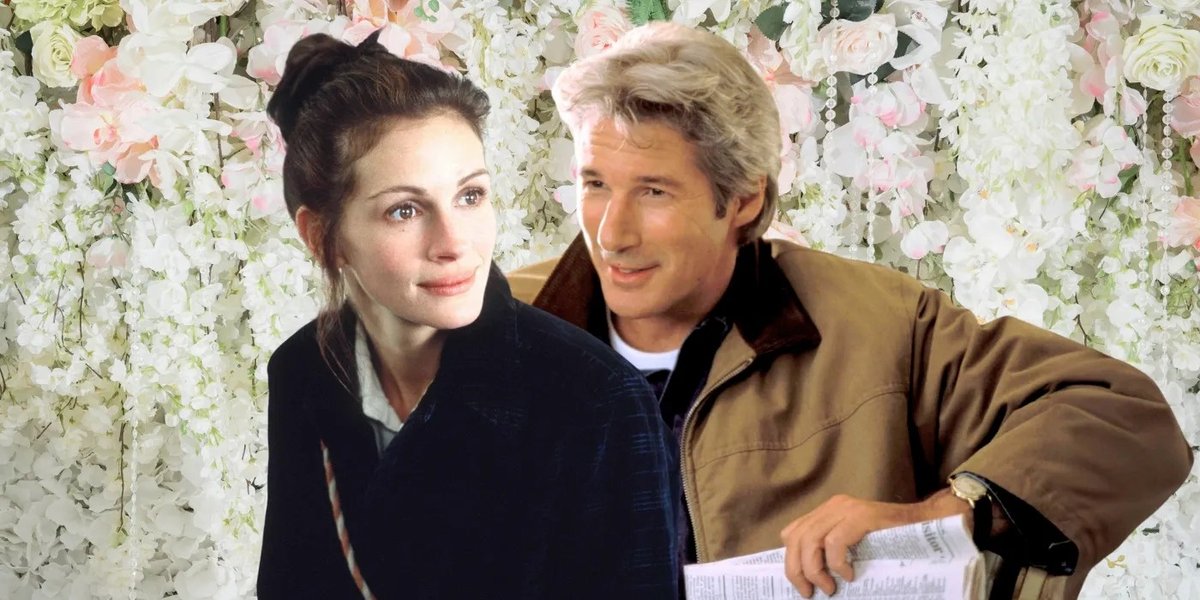
The silver screen has seen many iconic pairings, but few have captured hearts quite like the incandescent duo of Julia Roberts and Richard Gere. From their electric debut to a much-anticipated reunion, the Main Cast Spotlight: Julia Roberts & Richard Gere illuminates not just their individual star power, but the undeniable alchemy they create when sharing the frame. Their films together aren't just romantic comedies; they're cultural touchstones, defining an era of sophisticated charm and undeniable chemistry.
But what makes this pairing so enduring, and why, despite fan fervor, has a third collaboration remained tantalizingly out of reach? Let's dive into the fascinating story of Hollywood's most beloved on-screen couple.
At a Glance: The Enduring Magic of Roberts & Gere
- Iconic Chemistry: Julia Roberts and Richard Gere defined romantic comedy chemistry in the 90s, becoming synonymous with the genre.
- Pretty Woman's Legacy: Their first film together, a Cinderella story with a twist, became a global phenomenon and launched Roberts into superstardom.
- The Grand Reunion: Nine years later, they rekindled their magic in Runaway Bride, proving their spark hadn't faded.
- Individual Powerhouses: Beyond their joint projects, both Roberts and Gere have carved out formidable, award-winning careers, demonstrating incredible range and staying power.
- The Elusive Threequel: Despite widespread desire for another collaboration, Richard Gere has reportedly expressed disinterest in a third film, making any future reunion uncertain.
- More Than Just Actors: Both stars are known for their philanthropic efforts and their commitment to using their platforms for good.
The Unforgettable Duo: Why They Clicked, Then and Now
Imagine a Hollywood landscape where the classic romance was getting a modern makeover. Enter Pretty Woman (1990), a film that defied expectations and redefined the genre. It wasn't just a movie; it was a phenomenon, powered by the explosive on-screen chemistry between its two leads. Julia Roberts, with her dazzling smile and relatable vulnerability, met Richard Gere's suave, slightly brooding intensity, and sparks flew.
The film's initial script was famously darker, originally envisioning a grittier tale of prostitution in Los Angeles. But under director Garry Marshall's vision, and with Roberts and Gere in the starring roles, it transformed into the beloved fairy tale we know today. Their dynamic—the charming cynic falling for the spirited outsider—felt fresh, authentic, and utterly captivating. It resonated with audiences worldwide, grossing an astounding $463 million and cementing their status as a gold-standard pairing.
Before the Fairy Tale: Julia Roberts's Ascent to Stardom
Julia Roberts's path to becoming America's Sweetheart wasn't an overnight sensation, though it certainly felt like one to audiences. She arrived in New York City after high school, driven by an acting ambition that initially lacked formal training. Her first film role in 1986 came through a recommendation from her brother, Eric Roberts, a testament to her early, raw talent.
After a few television appearances, Roberts quickly secured her first leading role in the charming 1988 film Mystic Pizza. It was a strong indicator of her burgeoning talent, showcasing her ability to blend humor with genuine emotion. The industry, and audiences, were taking notice.
Her career truly began to accelerate with Steel Magnolias (1989), a poignant ensemble drama that earned her an Academy Award nomination for Best Supporting Actress. The film highlighted her dramatic range and proved she was more than just a pretty face. Then came Pretty Woman in 1990, the film that didn't just make her a household name but a global icon, securing her a second Academy Award nomination and launching her into an unprecedented level of stardom.
Beyond Vivian Ward: Richard Gere's Path to Leading Man Status
Richard Gere, by the time he met Julia Roberts on the set of Pretty Woman, was already a well-established leading man. His career spanned critically acclaimed dramas and commercial successes, cementing his reputation as a versatile and charismatic actor. Films like American Gigolo (1980) and An Officer and a Gentleman (1982) had showcased his magnetic screen presence and ability to play complex characters, often with a romantic edge.
He possessed a unique blend of rugged charm and sophisticated grace, making him a compelling figure for both dramatic roles and romantic leads. This established gravitas provided the perfect counterbalance to Roberts's fresh, effervescent energy in Pretty Woman, creating a chemistry that felt both unexpected and utterly harmonious. He was the seasoned professional, she was the rising star, and together, they created something legendary.
The Reunion: Runaway Bride and the Power of a Second Act
Nine years after their initial cinematic magic, the call came for a reunion. Director Garry Marshall, the maestro behind Pretty Woman, managed to bring Julia Roberts and Richard Gere back together for Runaway Bride (1999). The anticipation was palpable. Could they recapture that lightning in a bottle?
The answer was a resounding yes. Runaway Bride delivered exactly what fans craved: a charming, witty, and heartwarming romantic comedy that allowed Roberts and Gere to flex their well-honed chemistry once more. The film was another significant hit, proving that their on-screen pairing was not a one-off fluke but a reliable recipe for box office success and audience adoration. It explored themes of commitment, self-discovery, and finding love in unexpected places, all wrapped in the familiar, comforting glow of their undeniable dynamic. If you're curious to learn more about the ensemble behind this beloved film, you can always check out Meet the Runaway Bride cast.
Julia Roberts: A Career Defined by Range and Resilience
After Pretty Woman and Runaway Bride, Julia Roberts continued to dominate Hollywood, proving that her appeal extended far beyond romantic comedies. Throughout the 1990s, she worked steadily, appearing in thrillers like Flatliners (1990) and The Pelican Brief (1993), and dramas such as Something to Talk About (1995) and Mary Reilly (1996). She returned to the rom-com genre with critical and commercial success in My Best Friend’s Wedding (1997) and Notting Hill (1999), further solidifying her status as a versatile leading lady.
The turn of the millennium brought her to a new peak. In 2000, she launched her production company, Shoelace Productions, showcasing her expanding influence in the industry. That same year, she commanded an unprecedented $20 million for her starring role in Erin Brockovich, a powerful biographical drama that earned her an Academy Award for Best Actress. It was a career-defining performance, demonstrating her ability to blend grit, charm, and intelligence into a truly captivating portrayal.
Roberts continued to make diverse choices, joining the star-studded ensemble of Ocean’s Eleven (2001) and its sequel Ocean’s Twelve (2004) alongside Brad Pitt, George Clooney, and Matt Damon. She explored darker themes in Closer (2004), lent her distinctive voice to Charlotte’s Web (2006), and even made her Broadway debut in Three Days of Rain (2006). Later roles saw her co-starring with Tom Hanks in Charlie Wilson’s War (2007) and again in Larry Crowne (2011), as well as appearing in ensemble films like Valentine’s Day (2010) and the widely popular Eat Pray Love (2010).
Her commitment to challenging roles continued, playing the evil queen in Mirror Mirror (2012) and earning another Oscar nomination for Best Supporting Actress in the intense family drama August: Osage County (2013). Recent years have seen her take on acclaimed television projects like The Normal Heart (2014) and her first TV series Homecoming (2018), along with films like Secret in Their Eyes (2015), Money Monster (2016) with George Clooney, and the heartwarming Wonder (2017). Most recently, she reunited with Clooney for the charming romantic comedy Ticket to Paradise (2022) and appeared in the miniseries Gaslit (2022), proving her enduring star power and willingness to explore new formats.
Richard Gere: A Leading Man's Enduring Legacy
While the context provided focuses more on Julia Roberts, Richard Gere's career post-Runaway Bride has been equally robust, though perhaps with a shift in focus. He continued to be a prominent figure in Hollywood, often choosing roles that explored nuanced characters and thought-provoking narratives. Gere demonstrated a keen interest in independent cinema and dramas, showcasing his depth as an actor beyond his romantic lead persona.
He graced screens in films like Chicago (2002), where he displayed surprising musical talent, earning a Golden Globe for Best Actor. He continued with a diverse array of roles in films such as Shall We Dance? (2004), The Hoax (2006), and Arbitrage (2012), for which he received critical acclaim for his portrayal of a hedge fund magnate facing ruin. Gere’s later career has often been marked by powerful, understated performances, portraying characters grappling with complex moral and personal dilemmas, solidifying his legacy as an actor of significant gravitas and enduring appeal.
The Elusive Third Act: Will They Ever Work Together Again?
This is the million-dollar question that continues to fuel fan speculation and hope. The chemistry between Julia Roberts and Richard Gere is so potent, so beloved, that the idea of a third film together feels like a natural, almost necessary, progression. Yet, for almost 25 years, that reunion has remained just a dream.
The challenge, reportedly, lies with Richard Gere. For years, he has maintained a consistent stance: he is not interested in working with Julia Roberts on a third film. While the specific reasons remain largely a matter of speculation among fans and industry insiders, it's a firm position that has, so far, held strong. Perhaps he feels that they've already captured magic twice and doesn't want to risk diluting that legacy. Maybe he's keen to keep exploring different creative avenues. Whatever the underlying motivations, his reported reluctance has been the primary barrier to a highly anticipated cinematic hat-trick.
This doesn't mean the door is entirely closed, however. Hollywood is full of surprises, and actors' perspectives can evolve over time. For now, fans must content themselves with the two masterpieces they've already given us, holding out a flicker of hope that perhaps, one day, the stars will align for one more unforgettable collaboration.
The Enduring Appeal: What Makes Their Pairing So Special?
What is it about Julia Roberts and Richard Gere that makes their on-screen pairing so consistently captivating? It's more than just good looks or talent; it's a rare and powerful alchemy.
- Authentic Chemistry: Their interactions feel genuine. You believe their characters are falling in love, genuinely amused by each other, and sharing intimate moments. This authenticity is the bedrock of any great romantic pairing.
- Complementary Personalities: Roberts brings an effervescent, grounded energy, often playing characters with a quick wit and a deep emotional core. Gere often embodies a more reserved, sophisticated, yet ultimately vulnerable male lead. These contrasting energies create a compelling push-and-pull dynamic.
- The Fairy Tale Factor: Both Pretty Woman and Runaway Bride tap into classic romantic archetypes—the unexpected romance, the pursuit of love despite obstacles. Roberts and Gere bring these narratives to life with a sincerity that makes even the most fantastical elements feel believable.
- Charismatic Star Power: Individually, they are incredibly charismatic actors. Put them together, and that charisma multiplies, drawing audiences in and holding their attention from the first scene to the last.
- A Sense of Nostalgia: For many, their films evoke a golden era of romantic comedies. Seeing them together again instantly transports audiences back to a time of feel-good cinema, fostering a deep sense of warmth and nostalgia.
Beyond the Screen: Their Impact Off-Camera
Both Julia Roberts and Richard Gere have leveraged their considerable platforms for impactful causes beyond their film careers. Julia Roberts has been a long-time advocate for numerous charitable organizations, including UNICEF and the American Red Cross Disaster Relief Fund. She has also lent her voice to environmental causes, narrating documentaries like In the Wild: Orangutans with Julia Roberts (1998) and Wild Horses of Mongolia (2000), using her star power to raise awareness for threatened wildlife and vital conservation efforts.
Richard Gere is also a prominent humanitarian, famously dedicated to human rights advocacy, particularly for Tibet and its people. He co-founded the Tibet House U.S. and actively campaigns for ecological preservation, showing a consistent commitment to social and environmental justice throughout his career. Their off-screen work further enhances their public image, showcasing them not just as talented actors, but as thoughtful individuals committed to making a difference in the world.
A Legacy Etched in Film History
The cinematic partnership of Julia Roberts and Richard Gere is a testament to the power of perfect casting and undeniable on-screen chemistry. From the groundbreaking success of Pretty Woman to the joyous reunion of Runaway Bride, they crafted indelible characters and memorable moments that continue to resonate with audiences today. While the prospect of a third collaboration remains an elusive fantasy for many, the two films they shared stand as towering achievements in romantic comedy, showcasing a rare and magical dynamic that few pairings have ever achieved.
Their individual careers have only grown in depth and acclaim, but it's together, in the frames of those beloved films, that Julia Roberts and Richard Gere created something truly extraordinary—a timeless legacy of love, laughter, and that unique, unforgettable sparkle that only they could bring to the screen.